
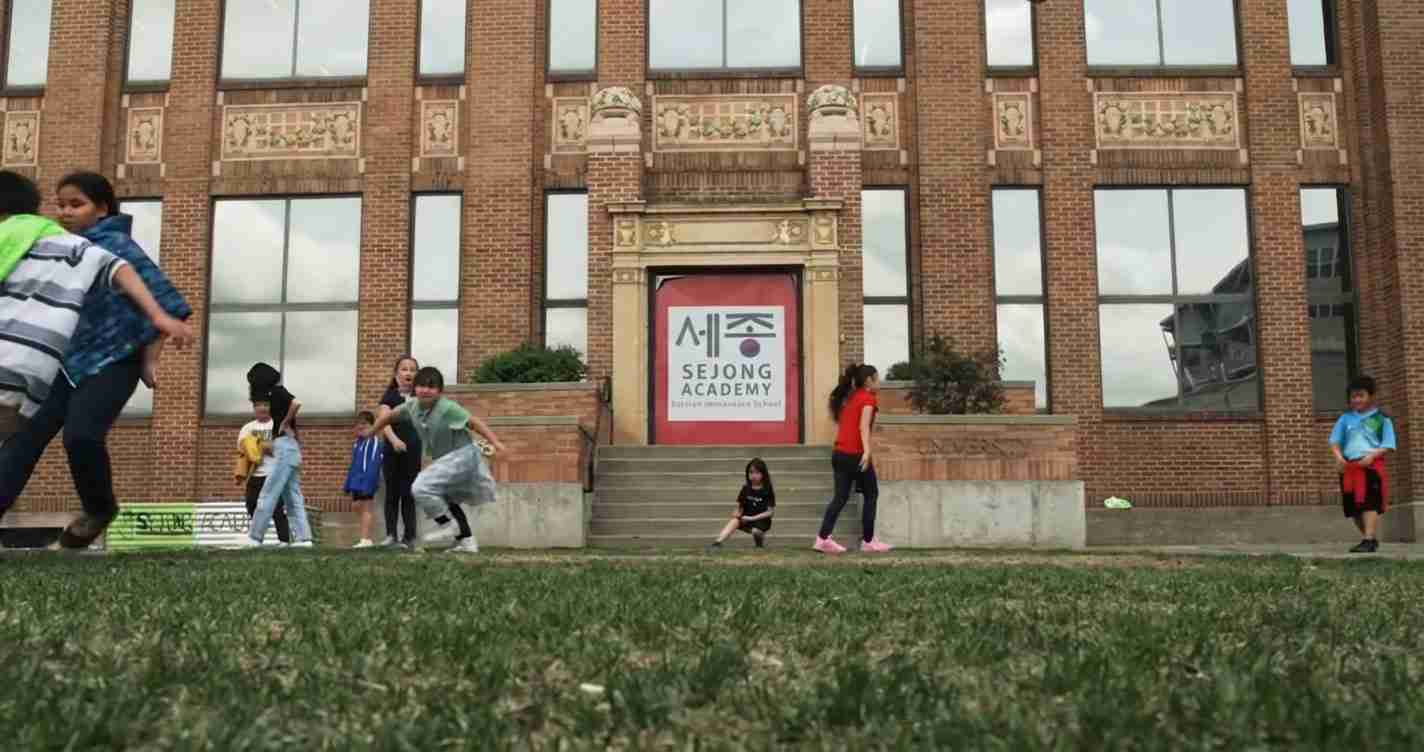
Taxpayer-Funded St. Paul Charter Shifts to Online Amid Reports of ICE Activity; Community Group Urges Noncitizens to Stay Home
Sejong Academy, a taxpayer-funded Korean-immersion charter in St. Paul, moved classes online Jan. 14–15, citing unspecified “safety and well-being” concerns amid reports of ICE activity as a community group urged noncitizens to stay home and avoid driving.
Key takeaways
- Temporary online shift: Sejong Academy announcement said classes moved online Jan. 14–15 for “safety and well‑being” but gave no specific threats (reported by Fox News and WCCS Radio).
- Enforcement reports and advisory: The timing overlapped with reported ICE activity in St. Paul and a public advisory from Urban Village urging noncitizens to remain home, avoid driving and limit contact.
- Community disruption: The advisory reportedly led to missed work, skipped medical appointments and children missing school and activities, particularly within the local Myanmar community.
- Taxpayer-funded status: Sejong Academy is a tuition-free Korean-immersion charter at 2410 Stillwater Road East and has been reported to receive millions in government grants (see WCCS Radio summary).
Sejong Academy’s move to online learning
Sejong Academy posted a notice on its website saying classes would move online for Jan. 14–15 for the “safety and well-being” of its school community. The notice did not specify what threats or incidents prompted the change. The school said students were scheduled to return to in-person instruction the following Monday and noted that Friday was a staff professional development day. Coverage of the change appeared in outlets including Fox News and on WCCS Radio.
School profile: Sejong Academy operates as a tuition-free Korean-immersion public charter located at 2410 Stillwater Road East in St. Paul. Public materials describe the language immersion program and calendar — see the school’s information on Sejong Academy — school information and its resources and calendar.
Reports of ICE activity and Urban Village’s warning
Local coverage tied the school’s online shift to reports of immigration enforcement activity in St. Paul. Urban Village released a video and posted statements on Instagram describing what it called heightened ICE enforcement and advising noncitizens and non–green-card holders to remain at home, avoid driving and limit contact.
Reported effects: Local reporting said the advisory prompted parents to miss work, patients to skip medical appointments, and children to miss school and extracurricular activities. Reporters noted particular fear within the Myanmar immigrant community, which often relies on community networks and may have limited access to clear information about enforcement activity (Fox News; WCCS Radio).
What officials have — and have not — said
Neither Sejong Academy nor the reporting outlets provided evidence that the school coordinated its decision with Urban Village or explicitly tied the change to ICE activity. Sejong’s public notice made no mention of immigration enforcement or ICE. City and federal officials had not released statements connecting school operations to enforcement actions in the cited reports, leaving open whether the school acted on independent information or precautionary concerns.
Investigative questions for public accountability
The overlap in timing raises questions for parents, taxpayers and local leaders. Key lines of inquiry include:
- What specific safety threats, if any, prompted Sejong Academy to move classes online? Did the school receive direct threats or law enforcement advisories?
- Did Sejong Academy coordinate with local police, school district officials or immigration authorities before deciding to change operations?
- To what degree did Urban Village verify the enforcement reports that led to its advisory, and what sources underpinned its warning?
- How can publicly funded schools balance transparency about safety decisions with protecting student privacy and community stability?
Community impact and disruption
Local reporting described concrete consequences from the combined effect of the school’s online shift and Urban Village’s advisory: parents missing work, children losing access to school-based services and routines, and patients skipping medical care. The reporting emphasized the effect on the Myanmar community and other immigrant families who may be particularly vulnerable due to language barriers and limited trust in public agencies (Fox News; WCCS Radio).
Transparency and taxpayer scrutiny
Because Sejong Academy is publicly funded, the episode has implications for accountability. Reporting indicates the school received more than $7 million in government grants per IRS filings reviewed by ProPublica and reported by Fox News Digital; that detail frames the institution as taxpayer-funded and raises questions about decision-making, oversight and communication with families and the public (WCCS Radio summary).
Implications for Alamogordo, New Mexico
Local leaders in smaller districts can draw lessons from the St. Paul episode:
- School safety and transparency: Parents and school boards should expect clear explanations when taxpayer-funded schools alter operations for safety reasons.
- Immigration enforcement ripple effects: Community advisories can lead to missed work, skipped appointments and school absences even far from enforcement locations.
- Public funds and accountability: Taxpayers in smaller districts should ask about spending, grant oversight and communication protocols.
- Social cohesion and outreach: Faith groups, social services and local governments should coordinate multilingual outreach and verified information channels for immigrant communities.
- Practical steps: Schools and community groups should develop emergency communications, multilingual contact points and partnerships with legal aid; employers and health providers should plan for sudden absences and remote options.
Sources and documentation
- Sejong Academy — school information and Sejong Academy — resources and calendar
- Fox News coverage (reporting on online shift, Urban Village advisory and community disruption)
- WCCS Radio summary (episode summary and funding details)


