
Trump’s 50-year mortgage proposal fuels debate: lower monthly payments, higher long-term costs
Donald Trump and the FHFA are promoting a 50-year fixed-rate mortgage to lower monthly payments and expand homeownership. Experts warn it increases total interest paid, slows equity build-up, and could heighten systemic risk in housing markets.
Key takeaways
- Lower monthly payments: stretching the term to 50 years reduces monthly outlays but does not equal long-term affordability.
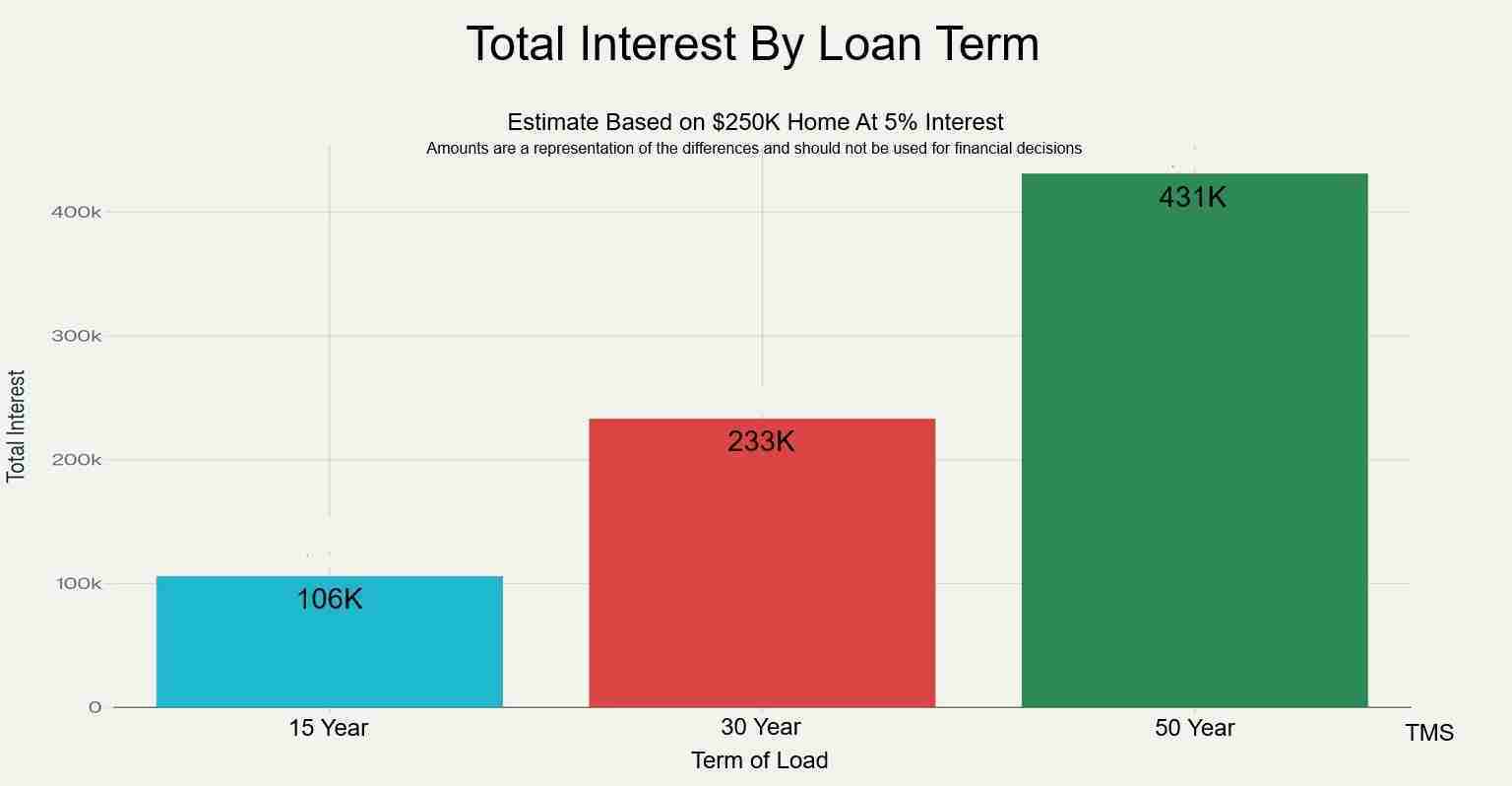
- Higher total cost: longer amortization typically means dramatically more interest paid over the life of the loan.
- Slow equity growth: homeowners build ownership more slowly and face greater downside risk if prices fall.
- Market risk: increased buying power can lift prices, undercutting intended benefits and raising systemic concerns.
Why the 50-year mortgage is on the table
Supporters argue the plan makes monthly payments smaller so more Americans can qualify for mortgages. Stretching terms to 50 years increases qualifying capacity on paper—appealing while home prices remain high and interest rates sit above 6%. Sources discussing the proposal include Fox Business and analysis in Fortune.
The Federal Housing Finance Agency has signaled interest in exploring longer terms as a policy tool, according to coverage by CBS News. Lower monthly payments can help families qualify now, but experts stress that qualification is not the same as true affordability when overall cost and equity dynamics are considered.
How much more would borrowers pay?
Analysts expect 50-year loans to carry higher interest rates than 30-year loans because lenders demand compensation for longer risk exposure. That means borrowers likely face a higher rate, not a lower one, and cumulative interest rises substantially. See detailed cost illustrations at HousingWire.
A common example: stretching a $500,000 mortgage to 50 years at a hypothetical 7% rate results in principal falling very slowly—after a decade or more the borrower has paid mostly interest and little principal. A visual explanation of amortization dynamics can be found in this video example.
“Monthly payments may drop a little, but the total dollars sent to lenders go up a lot.”
Risk to home prices and real affordability
Economists warn the main danger is price inflation: if many buyers gain extra monthly capacity, that extra buying power often translates into higher bids and seller asking prices. Expanding credit historically lifts demand and can encourage higher pricing, eroding the policy’s monthly-payment benefits—coverage and expert reaction appear at Politico and Fortune.
Critics call the plan a “band-aid” that avoids root causes such as supply shortages, restrictive zoning, and insufficient new construction. Those problems — not payment math — are the primary drivers of sustained unaffordability, experts say.
Equity, risk and the investor market
Longer loans slow equity growth and leave homeowners vulnerable if market values decline. Slow equity accumulation can trap households between renting and highly leveraged ownership, increasing the risk of negative equity in downturns. Analysts discuss these trade-offs in Fortune.
Mortgage investors and the secondary market matter too: investors prefer shorter, predictable payback. A wave of 50-year loans could “trap capital” and expose investors to decades of rate and credit risk, making such loans harder to securitize and possibly more costly—coverage at National Mortgage Professional and LiveNow Fox.
Regulatory and practical hurdles
The U.S. has not backed 50-year mortgages at scale, so appraisal rules, credit standards, mortgage insurance formulas, and secondary-market mechanics would require changes. Regulators must weigh long-term risks to government-backed loan programs and the potential fiscal exposure of expanded terms—discussed in depth at HousingWire and policy coverage at Politico.
Expert views and consensus
Independent analysts generally sound cautionary notes: a 50-year option might help some cross the threshold into ownership, but benefits are mixed given higher lifetime debt, slower equity, and the risk of price inflation that erases monthly-payment gains. Reporting and commentary are available from Fox Business, Fortune, and Politico.
Many analysts argue that supply-side reforms — zoning changes, incentives for more building, streamlined permitting — are clearer paths to lasting affordability and align with conservative priorities of local control and market-driven solutions.
Implications for Alamogordo, New Mexico
Local residents and leaders in Alamogordo should monitor the proposal’s evolution. The city’s housing mix—military families tied to Holloman Air Force Base, retirees, and local workers—means effects could be uneven:
- Affordability for buyers: Lower monthly payments might help active-duty military and younger buyers qualify for mortgages now (Fox Business).
- Home prices and sellers: If buyers statewide obtain extra buying power, sellers in Alamogordo could raise prices, shrinking benefits for modest-income locals (Fortune).
- Equity and long-term wealth: Households using 50-year loans risk slow equity growth—important for families counting on home equity for education, retirement, or repairs (HousingWire).
- Local lenders: Community banks and credit unions may be cautious offering such products if investors are reluctant, making availability uneven (National Mortgage Professional).
- Regional policy choices: Local supply-side measures—streamlining permits, modest infill, targeted down-payment help—could preserve affordability without longer debt terms and align with conservative priorities of local control.
Sources and further reading
- Fox Business: Trump’s 50-year mortgage proposal — what it would mean for homebuyers
- Politico: Experts slam 50-year mortgage idea
- Fortune: 50-year option and home affordability
- CBS News: Coverage of Trump 50-year mortgage proposal
- HousingWire: How much would a 50-year mortgage cost?
- National Mortgage Professional: Industry reacts to 50-year mortgage idea
- LiveNow Fox: What is an assumable 50-year mortgage?
- Video example of amortization and payoff dynamics


