
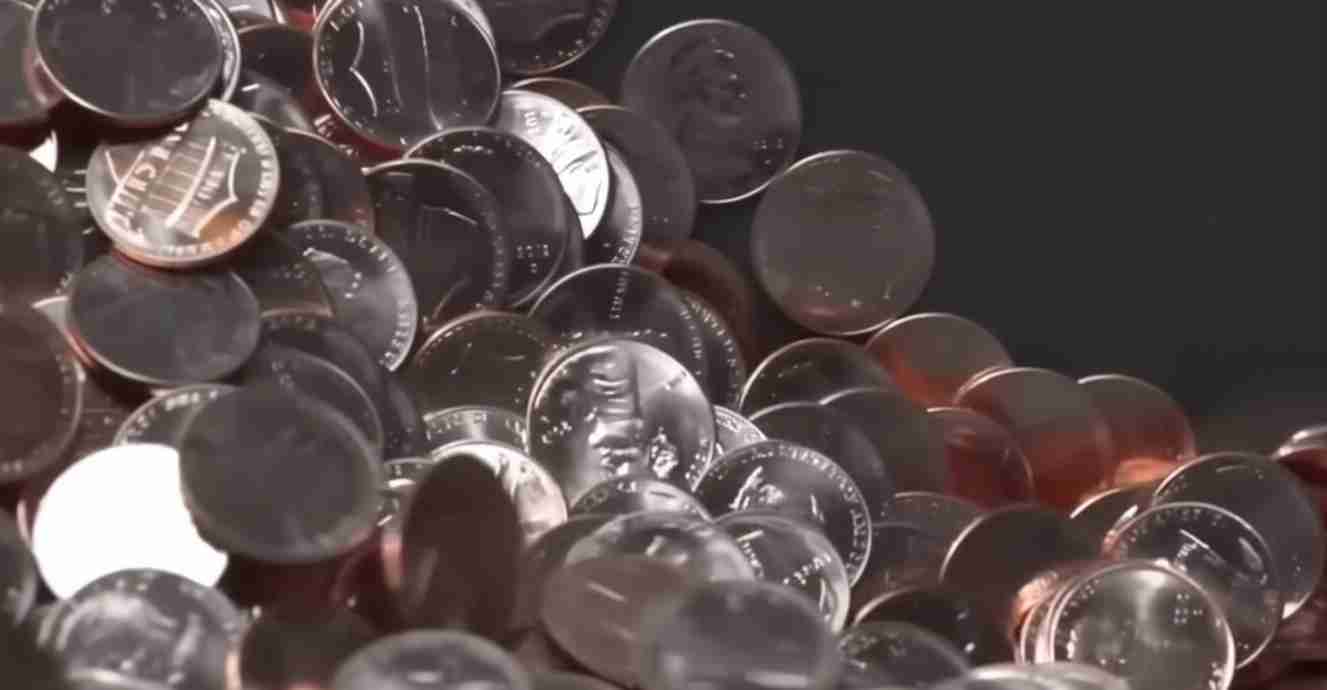
Last U.S. Pennies with Rare Omega Mark Could Spark Multimillion-Dollar Bidding War
In November 2025 the U.S. Treasury struck the final five pennies, each bearing a rare omega mark, signaling the end of penny production; experts say the five coins could fetch millions and ignite a fierce collector bidding war.
- Only five exist: the absolute scarcity of the omega-marked cents drives collector demand. Sources: The Cincinnati Enquirer, The Tennessean.
- Estimated value: experts suggest a combined auction range of $2 million–$5 million, fueling expectations of competitive bids. Sources: The Cincinnati Enquirer, The Tennessean.
- Treasury control: the Treasury confirmed the coins were struck but has not released auction timing or detailed sale procedures. Sources: The Cincinnati Enquirer, The Tennessean.
- Collectors vs. investors: museums, private collectors and high-net-worth buyers are expected to compete, shaping price trajectories. Sources: The Cincinnati Enquirer, The Tennessean.
Why the omega mark matters
Rarity and narrative are the twin engines of numismatic value. The omega symbol stamped on these five cents is not a standard mint mark but a deliberate signal that they were produced as the final pieces in a long-running U.S. coin program. That combination of scarcity and historical symbolism is what elevates interest beyond ordinary circulated cents.
Auction specialists told reporters that the coins’ significance as the official end of the penny era — together with an unrepeatable production run of just five — creates the conditions for exceptional prices. Sources: The Cincinnati Enquirer, The Tennessean.
A limited supply, high interest
Only five omega-marked cents were produced. That absolute limit creates a classic supply-and-demand scenario: buyers who want a piece of history must compete for an item that will never be reproduced. Dealers predict bids from private collectors, institutions and investors viewing rare coins as alternative assets.
Coverage of the final pennies has also boosted curiosity in older cents, but experts caution that only these five carry the special end-of-era status that drives multimillion-dollar projections. Sources: The Cincinnati Enquirer, The Tennessean.
What the Treasury has said — and not said
The Treasury confirmed the coins were struck and indicated they will be handled through official channels, but it has not released an auction schedule or specific details on authentication, protection or sale logistics. That absence of firm information has kept collectors and auction houses on alert.
Officials usually accompany significant numismatic releases with provenance documentation and strict handling rules; market participants expect similar measures when the Treasury sets terms for the omega-mark pennies. Until then, speculation will continue. Sources: The Cincinnati Enquirer, The Tennessean.
Market outlook and warnings
Experts who estimate a total of $2 million–$5 million for the five coins base that range on scarcity and collector demand; auctions can exceed early estimates if multiple deep-pocket bidders compete. That sets up the potential for a highly publicized bidding war that could push individual coin prices well above expectations.
“Auctions tied to one-time historic events often see price spikes, but markets can be volatile — buyers should prioritize authentication, provenance and full awareness of fees,” said an auction specialist cited in recent coverage.
Specialists caution that modern-era, event-tied coins sometimes see rapid appreciation followed by normalization. The Treasury’s eventual documentation and auction terms will be decisive in establishing long-term market value. Sources: The Cincinnati Enquirer, The Tennessean.
How collectors and investors are preparing
Auction houses and dealers are already preparing for heavy interest. Some collectors emphasize bidding for historical significance rather than short-term gain, while institutional buyers — museums and historical societies — may pursue coins to preserve a clear shift in U.S. monetary history.
Private investors eye potential returns but often plan to hold long term, betting the “last pennies” story will appreciate over decades. Ultimately, the Treasury’s auction approach — timing, publicity and authentication — will shape who can realistically acquire one of the five.
Sources: The Cincinnati Enquirer, The Tennessean.
Legal and security considerations
Because the pennies were produced by the U.S. Treasury, their disposition must follow federal rules. The Treasury typically coordinates with auction houses or conducts official sales and will likely require strict security and clear provenance for each coin. Buyers should rely on recognized experts and official documentation to avoid counterfeit or unauthorized items.
Sources: The Cincinnati Enquirer, The Tennessean.
Implications for Alamogordo, New Mexico
Economic: Local coin sellers, collectible shops and auction services in Alamogordo could see increased activity as interest in the omega-mark pennies grows. Appraisal events, consignment opportunities and local auctions may modestly boost nearby businesses.
Political: For conservative readers who favor limited government spending, the end of the penny may reinforce arguments about fiscal practicality. The Treasury’s choice to retire the penny and mark the final coins could spark local debate over stewardship and the use of proceeds.
Social & cultural: The penny’s retirement touches tradition. In a community that values history and thrift, the story may prompt schools, historical societies and collectors to preserve artifacts and open educational discussions.
Practical advice: Residents who own older pennies should consider appraisal by reputable dealers or submission to certified grading services if they suspect rarity. When the Treasury announces auction rules, local bidders should review registration, bidding and payment requirements carefully. Sources: The Cincinnati Enquirer, The Tennessean.
Ongoing watch
The outcome of the market for the omega-mark pennies will hinge on Treasury announcements and the auction terms it sets. For collectors, investors and local communities like Alamogordo, the episode raises questions about federal policy, economic opportunity and the preservation of American artifacts.
Until the Treasury publishes sale logistics, authentication standards and provenance procedures, much of the market discussion will remain speculative. Interested parties are advised to monitor official channels closely and to consult independent experts before bidding. Sources: The Cincinnati Enquirer, The Tennessean.


